---
title: "AI SEO Tools: What to Automate vs What Requires Human Strategy | ProIQ"
description: Learn what AI SEO tools should automate and where human strategy still matters. Discover how to balance AI and expertise for stronger rankings.
image: https://blogs.proiq.com/hubfs/ai-seo-tools-human-ai-collaboration.jpg
---
- [ info@proiq.com](mailto:info@proiq.com)
- [](https://www.facebook.com/ProIQAdvisory) [](https://www.linkedin.com/company/proiq-advisory/) [](https://proiq.com/feed/)
[ ](https://blogs.proiq.com)
[](https://blogs.proiq.com/ai-seo-tools-automation-vs-human-strategy#tmpmodule_1568761248550301)
- [Home](https://proiq.com/)
- Solutions
- [Recruitment Marketing](https://proiq.com/recruitment-marketing-solutions/)
- [Employer Branding](https://proiq.com/recruitment-marketing-solutions/employer-branding/)
- [Social Media Recruiting](https://proiq.com/recruitment-marketing-solutions/social-media-recruiting/)
- [Geofencing Recruiting](https://proiq.com/recruitment-marketing-solutions/geofencing-recruiting/)
- [Programmatic Job Advertising](https://proiq.com/recruitment-marketing-solutions/programmatic-job-advertising/)
- [Digital Marketing](https://proiq.com/digital-marketing-solutions/)
- [Search Engine Optimization (SEO)](https://proiq.com/digital-marketing-solutions/seo-services/)
- [Pay Per Click (PPC)](https://proiq.com/digital-marketing-solutions/ppc-services/)
- [Content Marketing](https://proiq.com/digital-marketing-solutions/content-marketing/)
- [Social Media Marketing](https://proiq.com/digital-marketing-solutions/social-media-marketing/)
- [Web Design & Development](https://proiq.com/digital-marketing-solutions/web-design-and-development/)
- [Portfolio](https://proiq.com/client-portfolio/)
- [Insights](https://blogs.proiq.com)
- About
- [About ProIQ](https://proiq.com/about-proiq/)
- [ProIQ Team](https://proiq.com/about-proiq/#ProIQTeam)
- [Technology Partnerships](https://proiq.com/about-proiq/#technology-partnerships)
- [Contact](https://proiq.com/contact-us/)
###### 9 min read
# [AI SEO Tools: What to Automate vs. What to Keep](https://blogs.proiq.com/ai-seo-tools-automation-vs-human-strategy)
By [ProIQ](https://blogs.proiq.com/author/proiq) on Mar 10 , 2026

###### Topics: [SEO](https://blogs.proiq.com/topic/seo)
Artificial intelligence has reshaped how organizations approach search. What started as basic automation for keyword research has evolved into a full ecosystem of AI SEO tools that can generate content briefs, analyze competitors, diagnose technical errors, and forecast ranking opportunities. For the [82% of digital marketers](https://seosandwitch.com/ai-seo-tools-stats/) using these tools, this creates both opportunity and uncertainty. The promise of scale is compelling, but scaling without strategy rarely produces durable results.
In our experience, the brands that benefit most from AI SEO automation are not the ones chasing full automation. They are the ones applying it selectively. They use AI to process complexity and accelerate workflows, while keeping strategic direction, positioning, and authority building firmly in human hands. The real competitive advantage is not human vs AI SEO, it’s understanding how the two work together.
Even the most sophisticated AI search optimization tools still rely on strong foundational [SEO basics](https://blogs.proiq.com/seo-basics-improve-rankings). Crawlability, relevance, site architecture, authority signals, and user experience remain core ranking drivers. AI enhances execution within those fundamentals; it does not replace them.
The key question is where automation should stop, and where expertise must lead.
## What Is AI-Assisted SEO?
AI-assisted SEO is a search optimization approach that combines artificial intelligence tools with human strategic oversight. AI platforms accelerate research tasks such as keyword clustering, SERP analysis, and technical audits, while human experts guide positioning, authority development, and content differentiation.
This approach allows organizations to scale SEO operations without sacrificing expertise, brand voice, or long-term authority.
## Can AI Replace SEO Strategy?
No. AI SEO tools can automate research, analysis, and content preparation, but they cannot replace strategic decision-making. Successful organizations use AI to process data and identify opportunities while human experts guide positioning, authority development, and differentiation.
## What Are AI SEO Optimization Tools?
AI SEO tools use machine learning, natural language processing, and predictive modeling to streamline and scale search optimization tasks. They analyze massive volumes of data, detect ranking patterns, and generate structured outputs that would otherwise require extensive manual effort.
Most AI-driven platforms assist with:
- Keyword discovery and clustering
- Search engine results pages (SERP) analysis and competitive research
- Technical SEO audits
- Content outline and brief generation
- Optimization scoring and forecasting
AI SEO automation excels at identifying patterns across large datasets. It can process thousands of search queries, evaluate competitor structures, and surface technical anomalies within minutes. What it cannot do is decide how those insights align with business priorities, brand identity, or long-term authority goals.
What we consistently find is that confusion arises when organizations treat automation as a strategy. AI delivers analysis. Humans deliver direction.
## What AI SEO Tools Do Well
There are specific SEO functions where automation creates significant leverage. In these areas, AI is revolutionary.
| SEO Task | What AI Does Well | What Humans Must Do |
| --- | --- | --- |
| Keyword clustering | Groups large sets of related keywords quickly | Decide which topics support business goals |
| SERP Analysis | Identifies patterns across top-ranking pages | Determine differentiation and positioning |
| Technical Audits | Scans sites for crawl errors, indexing issues, and speed problems | Prioritize fixes based on impact |
| Content brief generation | Builds outlines and topic coverage | Add expertise, opinion, and brand voice |
### Keyword Clustering
Search engines evaluate topical authority rather than isolated keyword usage. AI excels at grouping semantically related keywords into clusters that reflect user intent and thematic depth. Instead of manually sorting spreadsheets for days, teams can generate comprehensive topic maps in hours.
The strategic advantages of AI-driven clustering include:
- Identifying primary and secondary intent within a topic
- Revealing long-tail keyword variations
- Detecting gaps in existing content coverage
- Structuring scalable content roadmaps
We’ve seen brands dramatically accelerate planning cycles using automated clustering. However, what we often find is that the value lies not in the clusters themselves, but in how they are prioritized. AI organizes the landscape. Human expertise determines which clusters support revenue growth and authority expansion.
### SERP Analysis
Modern search results are multifaceted. Between featured snippets, FAQs, video blocks, and AI-generated summaries, ranking requires structural cohesiveness.
AI search optimization tools can evaluate:
- Content structure patterns across top-ranking pages
- Average depth and format alignment
- Schema implementation trends
- Entity usage frequency
- Intent classification
This is especially crucial as search evolves through features like [Google AI Overview](https://blogs.proiq.com/what-is-google-ai-overview-digital-marketing-blog-proiq), which reshapes visibility and click behavior.
AI is highly effective at identifying what currently ranks and how it is structured. However, it cannot determine how your brand should differentiate within that landscape. Strategic decisions about format, positioning, and value proposition remain human-led.
### Technical Audits
Technical SEO is structured and rule-based, making it ideal for AI automation. Platforms can scan entire websites for crawl inefficiencies, indexing errors, broken links, duplicate metadata, and inconsistencies in structured data within minutes.
Automation provides clarity around:
- Crawl errors and orphaned pages
- Indexation conflicts
- Page speed bottlenecks
- Duplicate content risks
- Schema implementation gaps
Audit timelines have been reduced significantly through AI SEO automation. Yet our team sees that automated reports often lack prioritization. Not every technical issue materially impacts performance. Strategic evaluation is required to determine which fixes will improve rankings and which can be deferred.
### Content Brief Generation
AI-generated content briefs can dramatically reduce preparation time for content teams. By analyzing ranking patterns and competitor structures, AI can suggest headings, related questions, semantic terms, and recommended word counts. These briefs often include:
- Suggested article outlines
- Supporting FAQ sections
- Competitive topic gaps
- Optimization checkpoints
AI briefs are valuable starting frameworks. However, they typically reflect the competitive average. Without human insight layered in, content risks becoming indistinguishable from what already exists.
Authoritative content goes beyond structure. It includes lived experience, defined methodologies, and confident recommendations, elements that should never be automated.
## What Still Requires Human Strategy
While automation accelerates execution, several core dimensions of SEO remain deeply human.
### Brand Positioning
Brand positioning defines:
- Who you serve
- What differentiates you
- Why your expertise matters
AI cannot articulate a unique competitive advantage. It synthesizes consensus rather than establishing identity. In our experience, over-automated content often becomes neutral in tone, lacking conviction or differentiation.
### Authority Architecture
Sustainable rankings depend on cumulative topical authority. This requires deliberate planning over months or quarters. Authority architecture involves:
- Designing pillar content
- Sequencing topic cluster expansion
- Structuring internal authority flow
- Aligning content themes with revenue strategy
AI can suggest related keywords. It cannot design multi-quarter authority roadmaps that support your business objectives.
### Messaging and Differentiation
High-performing SEO content often includes:
- Clear, opinionated recommendations
- Defined frameworks and processes
- Practical decision guidance
- Strategic trade-off analysis
AI synthesizes existing information. It rarely introduces proprietary insight. Your broader [content marketing strategy](https://proiq.com/digital-marketing-solutions/content-marketing/) should guide SEO execution to ensure consistent voice and positioning. It’s no wonder that [73% of marketing teams](https://www.semrush.com/content-hub/can-ai-content-rank-on-google/) use a human-bot writing combination for content creation.
### Internal Linking Strategy
Internal linking influences authority distribution, crawl prioritization, and conversion pathways. While AI can identify related URLs, it doesn’t understand commercial value or product hierarchy. Strategic internal linking should:
- Direct authority toward high-value pages
- Reinforce thematic clusters
- Support user journey progression
- Align with revenue priorities
This architectural planning requires human supervision.
## Risks of Over-Automation
AI SEO automation provides scale, but scale without oversight can increase risk. Common challenges include:
- Thin content that lacks depth or originality
- Duplicate insights across competitors using similar tools
- Brand voice inconsistency
- Reduced differentiation within saturated topics
Search engines prioritize [expertise, experience, authoritativeness, and trustworthiness](https://blogs.proiq.com/how-ai-seo-tools-are-changing-search-blog-proiq). Organizations committed to [ethical AI marketing](https://blogs.proiq.com/ethical-ai-marketing-use-blog-proiq) maintain transparency and quality control within AI-assisted workflows. We believe that oversight is the safeguard against diminishing returns.
## How to Combine AI and Human Strategy for Maximum Rankings
The most effective SEO models integrate automation within a structured framework, which includes:
**Automating Research and Diagnostics**
- Keyword clustering
- SERP pattern analysis
- Technical audits
- Gap identification
**Applying Strategic Direction**
- Defining positioning
- Mapping authority architecture
- Prioritizing revenue-driving topics
- Aligning SEO with business goals
**Layering Expert Editorial Guidance**
- Adding experience-based insight
- Strengthening differentiation
- Ensuring brand consistency
- Validating claims for credibility
Measuring and Refining Performance
[Advanced marketing analytics](https://blogs.proiq.com/ai-marketing-analytics-blog-proiq) tools enable teams to track engagement, rankings, authority growth, and conversion metrics to drive continuous optimization.
When automation supports rather than replaces expertise, SEO performance compounds over time.
## KEY TAKEAWAYS
- AI SEO tools are highly effective for research, pattern detection, and technical diagnostics.
- Strategic decisions such as positioning, authority building, and differentiation require human expertise.
- Automation should accelerate SEO workflows, not replace strategic oversight.
- Organizations that combine AI efficiency with expert guidance build more sustainable search visibility.
## Future-Proofing Your Strategy with AI SEO Tools
AI SEO tools are powerful accelerators. They increase research speed, reduce manual effort, and improve visibility into competitive landscapes. In fact, using SEO tools can reduce manual workloads by [up to 55%](https://seosandwitch.com/ai-seo-tools-stats/).
But they are not strategic substitutes. Sustainable search growth comes from disciplined integration:
- Automate analysis and diagnostics
- Keep positioning and authority planning human-led
- Maintain rigorous editorial standards
- Align SEO with broader business strategy
Organizations that strike this balance build search visibility that endures algorithm shifts and competitive pressure.
If you are evaluating how AI automation fits into a long-term growth strategy, ProIQ’s [SEO services](https://proiq.com/digital-marketing-solutions/seo-services/)help organizations align technology, strategic expertise, and authority development to build scalable and differentiated search visibility.

#### Written by [ProIQ](https://blogs.proiq.com/author/proiq)
###### [Previous Post](https://blogs.proiq.com/marketing-data-maturity-model)
[](https://blogs.proiq.com/marketing-data-maturity-model)
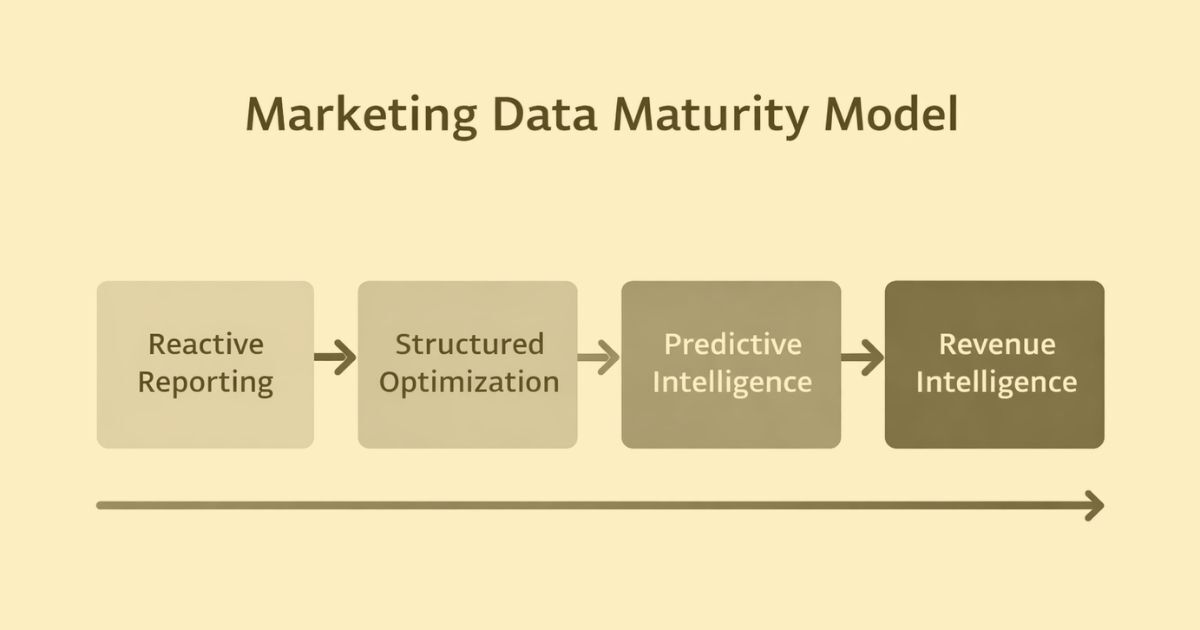
###### [The Data Maturity Model for Modern Marketing Teams](https://blogs.proiq.com/marketing-data-maturity-model)
###### [Next Post](https://blogs.proiq.com/reduce-cost-per-acquisition-ppc)
[](https://blogs.proiq.com/reduce-cost-per-acquisition-ppc)
###### [How to Reduce Cost Per Acquisition in PPC](https://blogs.proiq.com/reduce-cost-per-acquisition-ppc)
- Copyright © 2021 ProIQ |
- [Privacy Policy](https://proiq.com/privacy-policy/)
[](https://www.facebook.com/ProIQAdvisory)[](https://www.linkedin.com/company/proiq-advisory/)[](https://proiq.com/feed/)
```json
{
"@context" : "https://schema.org",
"@type" : "BlogPosting",
"author" : {
"@type" : "Person",
"name" : "ProIQ",
"url" : "https://blogs.proiq.com/author/proiq"
},
"dateModified" : "2026-03-10T13:30:00.246Z",
"datePublished" : "2026-03-10T13:30:00.000Z",
"headline" : "AI SEO Tools: What to Automate vs What Requires Human Strategy | ProIQ",
"image" : [ "https://blogs.proiq.com/hubfs/ai-seo-tools-human-ai-collaboration.jpg" ],
"mainEntityOfPage" : {
"@id" : "https://blogs.proiq.com/ai-seo-tools-automation-vs-human-strategy",
"@type" : "WebPage"
},
"publisher" : {
"@type" : "Organization",
"logo" : {
"@type" : "ImageObject",
"url" : "https://blogs.proiq.com/hubfs/ProIQ%20Logos/ProIQ_Logo-150dpi.png"
},
"name" : "Hire Velocity"
}
}
```